Eco-Friendly Resin Driveways: Benefits, Features and Why They’re a Smart Choice
As more homeowners focus on sustainable living in 2026, environmentally friendly home improvements are becoming increasingly important. Many people are now looking beyond traditional paving materials and exploring greener alternatives that offer both practicality and visual appeal. Resin driveways have grown in popularity because they provide a durable, attractive surface while also supporting better drainage. They are suitable for a wide range of projects, including modern homes, renovation work, and eco-conscious property upgrades.
What is a Resin Driveway?
Environmental Benefits of Resin Driveways
Improved Drainage Performance
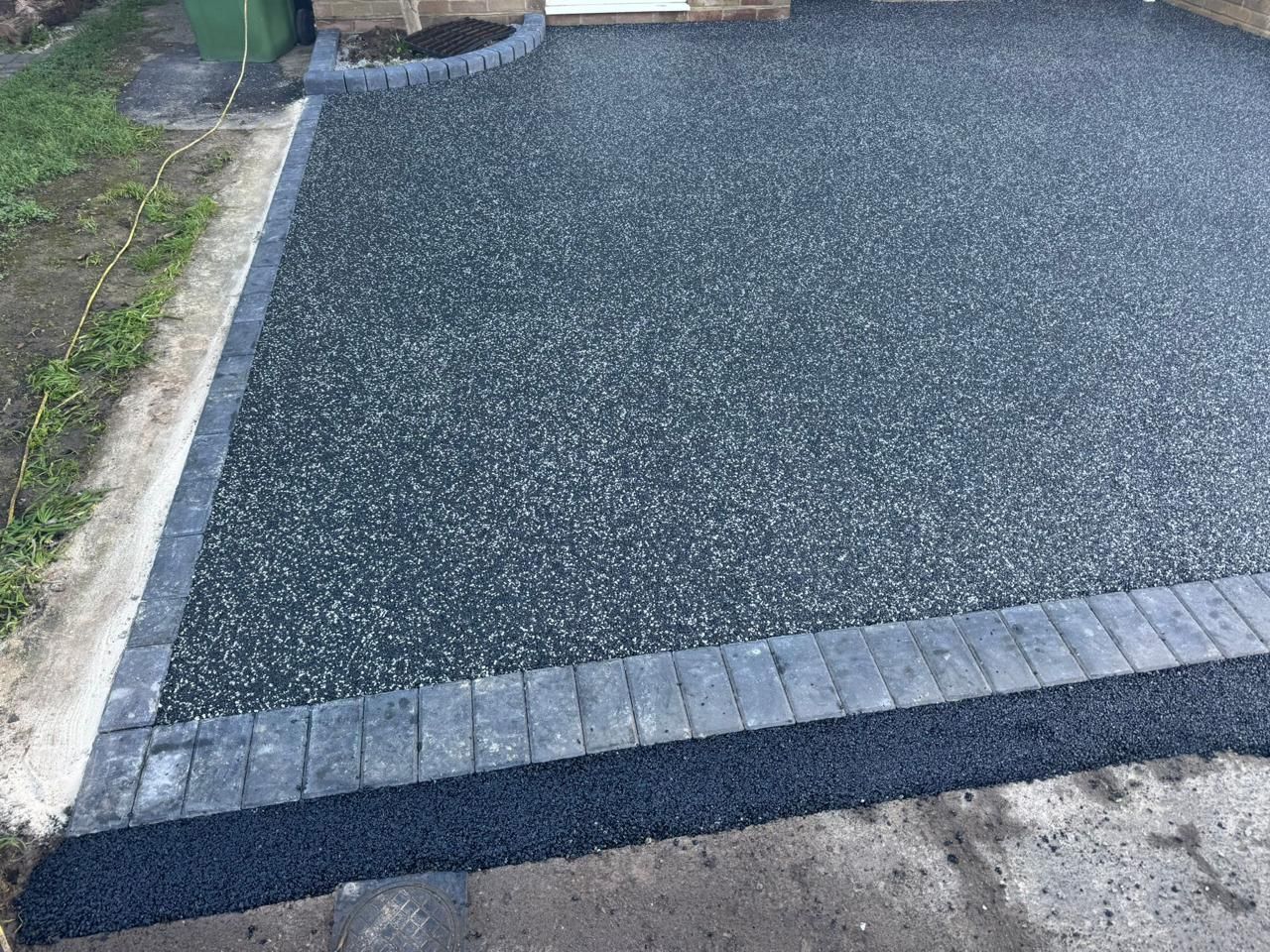
One of the main environmental advantages of resin bound driveways is their ability to allow water to pass through the surface. This helps prevent water pooling and reduces the risk of flooding during heavy rainfall. Permeable driveways can often meet Sustainable Drainage System (SuDS) guidelines, helping to manage rainwater more effectively and reduce pressure on local drainage systems.
Sustainable Material Choices
Many resin driveways use natural aggregates, and some suppliers offer recycled stone options. Choosing responsibly sourced materials can help reduce environmental impact. Because resin surfaces are long-lasting, they do not need to be replaced as frequently as some traditional paving methods, which can help minimise waste over time.
Reduced Heat Absorption
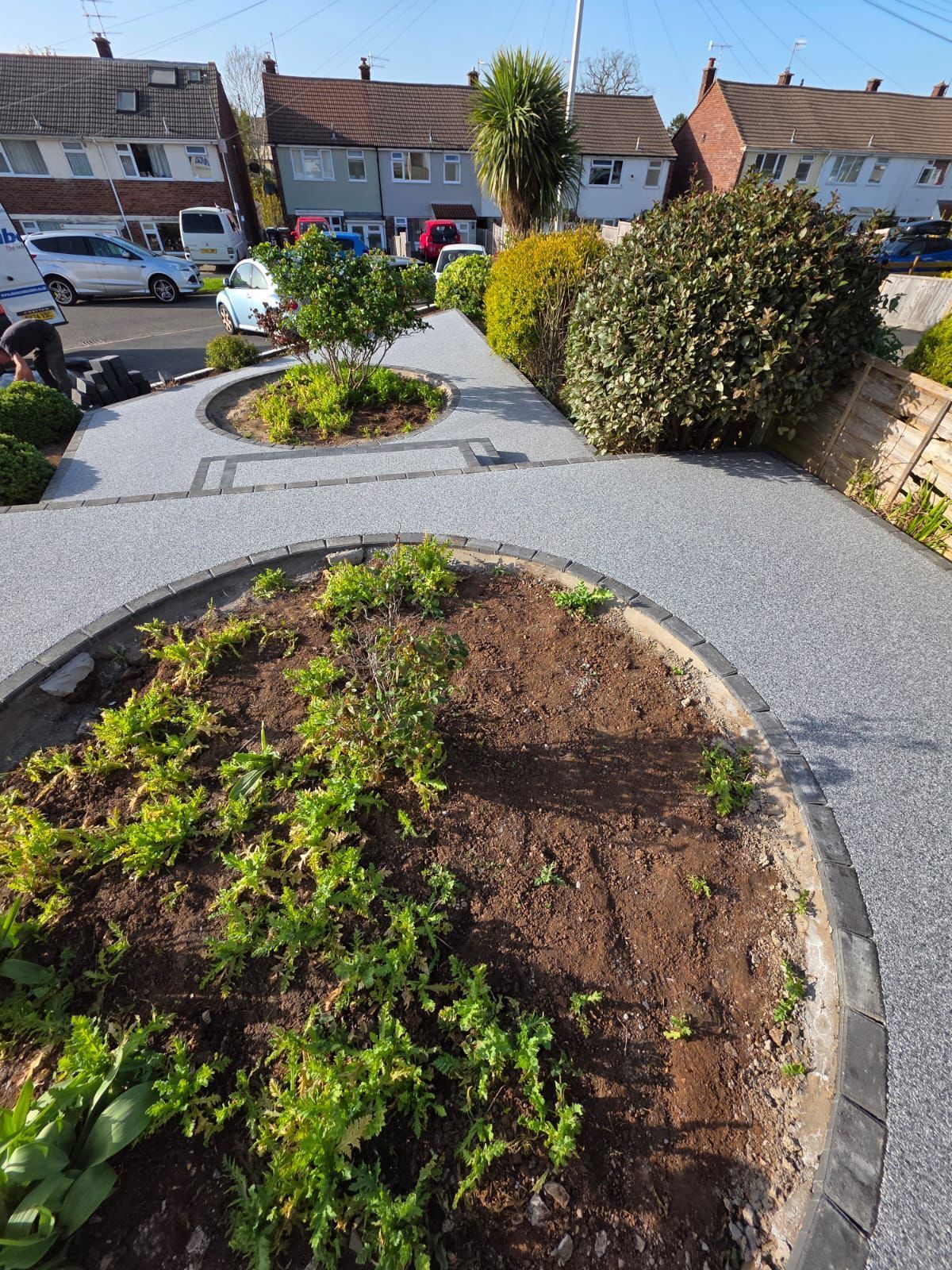
The colour of the chosen aggregate can also influence heat retention. Lighter coloured surfaces tend to reflect sunlight rather than absorb it, helping to reduce heat build-up around the property. In comparison, darker materials such as asphalt may retain more heat, which can contribute to warmer surrounding areas.
Low Maintenance Requirements
Resin driveways are relatively easy to maintain compared to some alternative paving options. The smooth surface makes it more difficult for weeds to grow, and moss build-up is typically less of an issue. Occasional sweeping and periodic pressure washing are usually enough to keep the surface looking clean and well cared for.
Resin driveways are known for their strength and long lifespan. When installed correctly, the material is resistant to cracking and can cope with regular use from vehicles. The slight flexibility of the resin helps the surface adapt to changes in temperature, reducing the likelihood of damage over time.
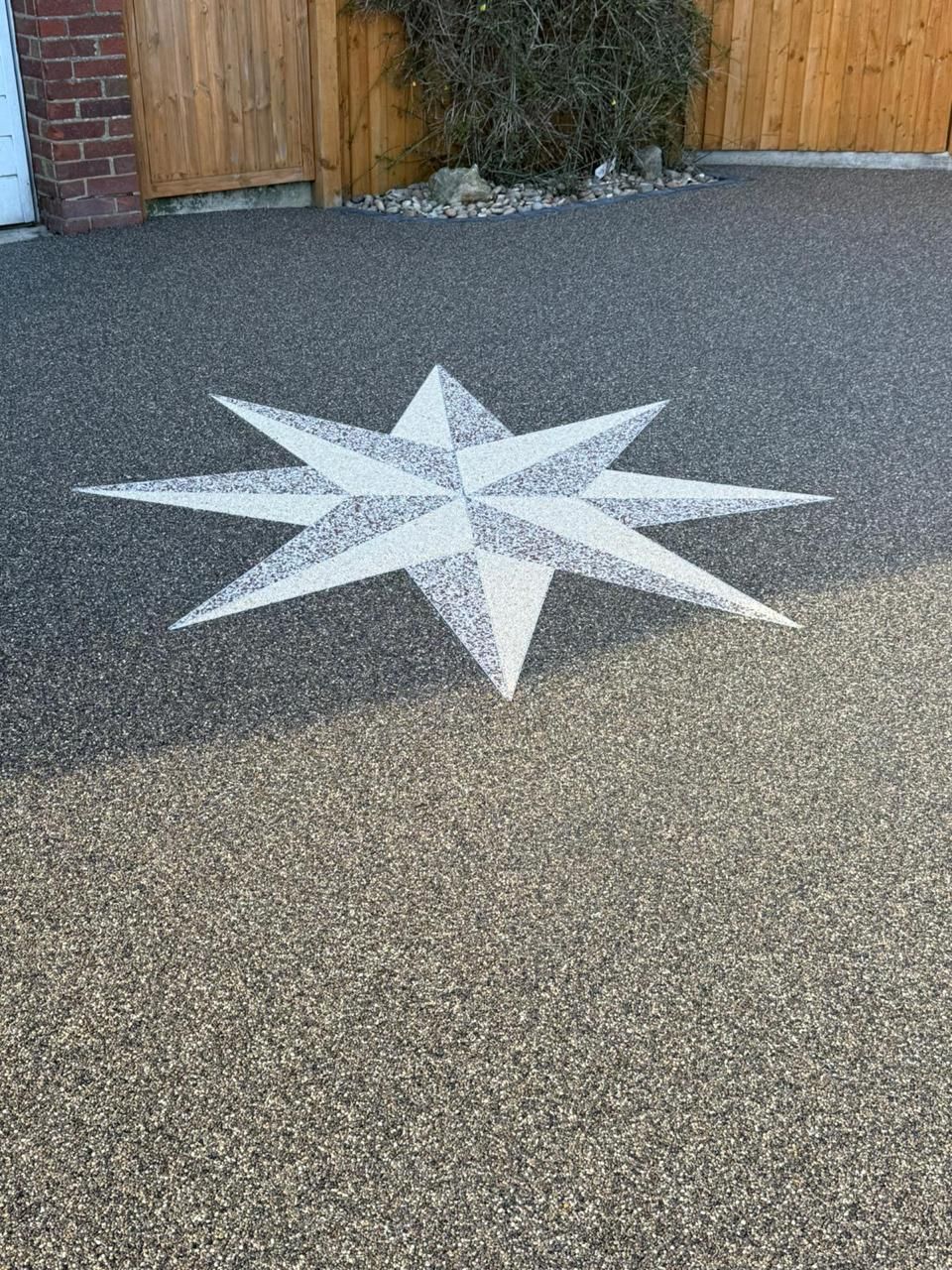
From a design perspective, resin surfaces offer a high-quality appearance that works well with both traditional and contemporary properties. The wide choice of colours and finishes allows homeowners to create a customised look that enhances kerb appeal.
Safety is another benefit, as resin surfaces typically provide good slip resistance even in wet conditions. This makes them suitable for driveways, pathways, patios, and other outdoor areas where a smooth yet secure surface is required.
Conclusion
Resin driveways provide an effective combination of sustainability, durability, and attractive design. Their permeable structure allows water to drain efficiently, while their long lifespan makes them a practical investment for homeowners looking for environmentally responsible solutions. As interest in greener home improvements continues to grow, resin surfaces remain a popular choice for those seeking a reliable and stylish driveway option.
You might also like
Resin Driveways Lincoln